Research

Climate, fire, and ecosystems change through time

I use the physical and chemical signatures locked inside sediments to reconstruct how rainfall, vegetation, and wildfire have changed through time. I focus particularly on Africa — and investigate how these process are coupled to one another and to global climate.

Over the past several million years African landscapes have swung between lush rainforests, seasonally monsoon-fed savannas and hyper-arid desert, repeatedly transforming the habitats available to plants, animals, and early humans. I reconstruct these transitions using organic geochemical methods — extracting molecular fossils, or biomarkers, from marine, lake, soil, and cave sediment archives that preserve records of the past environments. These paleo-proxies act as fingerprints of ancient rainfall, plant communities, and fire, letting me read environmental change at and interrogate drivers of change and interactions between the biotic and abiotic systems.

The fire continent

Where climate, vegetation & fire meet

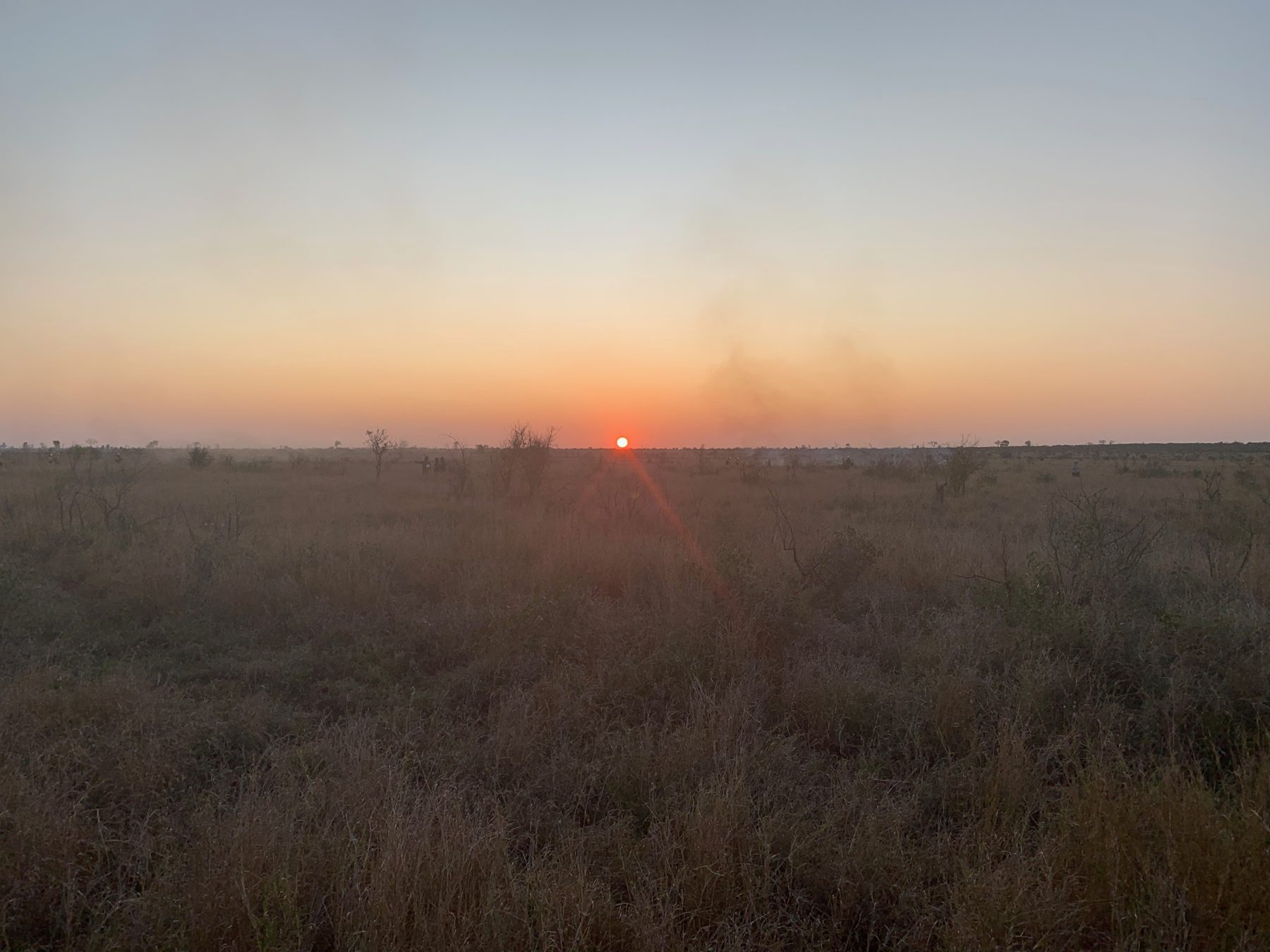
African savannas are among the most fire-active ecosystems on Earth — making their history a natural laboratory for understanding fire in the Earth system.

Themes

Three connected questions

The West African monsoon

How strong was the monsoon in the past, and what controlled it? I reconstruct hydroclimate across glacial–interglacial cycles, the Mid-Pleistocene Transition, and the African Humid Period to disentangle orbital, ice-sheet, and ocean drivers of rainfall.

Fire as an Earth-system process

Fire links climate, vegetation, and people, yet its long history is poorly known. I develop and calibrate molecular fire-biomarker proxies — and combine them with charcoal and modeling — to reconstruct African fire regimes from the Last Glacial Maximum to today.

Vegetation & ecosystem change

Using terrestrial plant biomarkers, I map shifts among forest, savanna, and desert vegetation — and connect those ecological transitions to the climate and fire records, including during the periods of human evolution and dispersal.

Approach

From sediment core to climate story

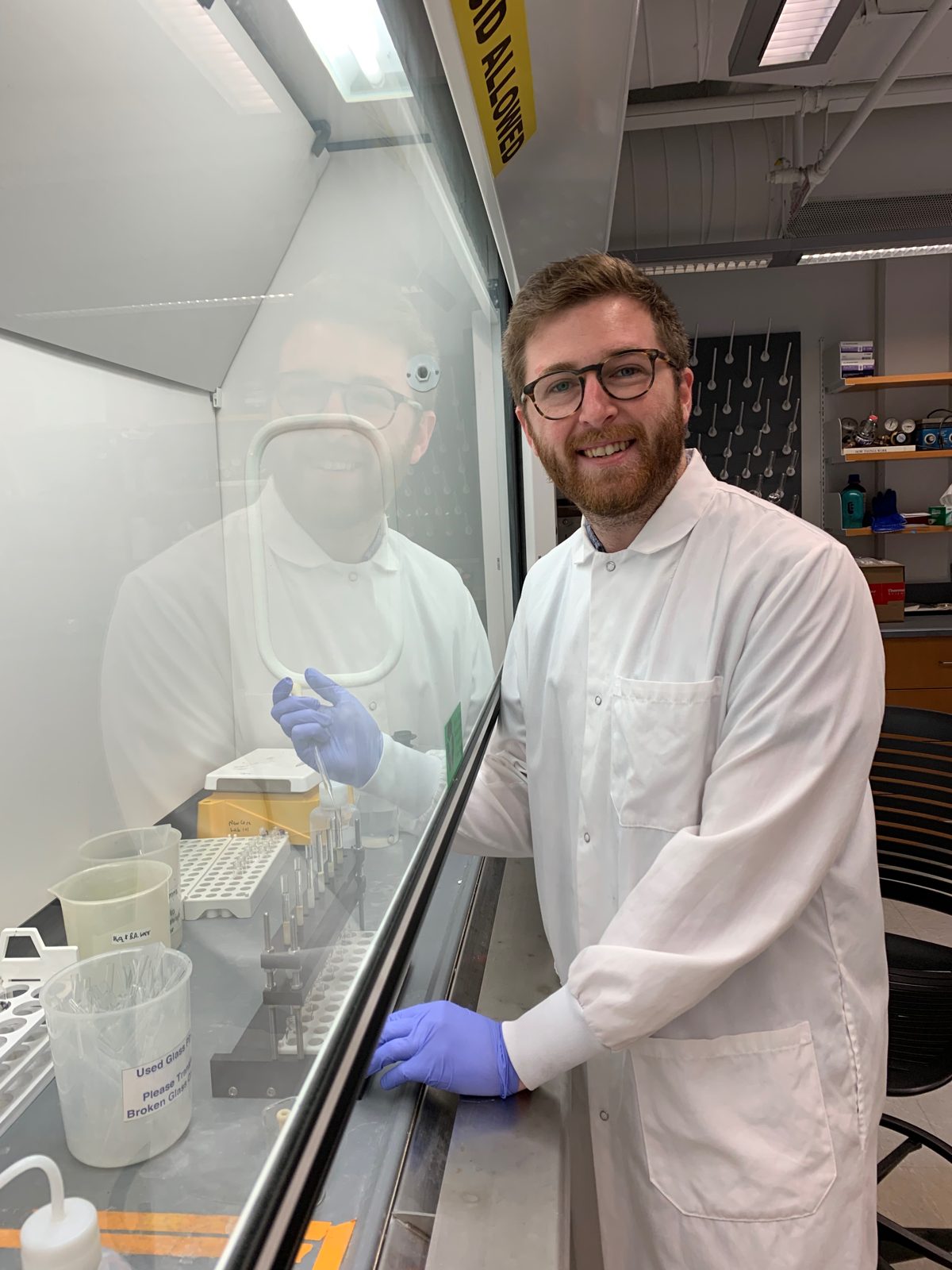
My work is grounded in the lab and the field. I generate records by measuring biomarkers — plant waxes, and combustion-derived compounds such as polycyclic aromatic hydrocarbons (PAHs) — in marine and lake sediments, and increasingly use data–model comparison and statistical tools like random-forest models to turn these molecular signals into quantitative reconstructions of temperature, rainfall, vegetation, and fire. A core goal of my recent work is calibrating fire proxies through comparing marine sediment samples with modern satellite data products so that paleofire records can be interpreted as rigorously as more established climate proxies.

Fieldwork

In the field
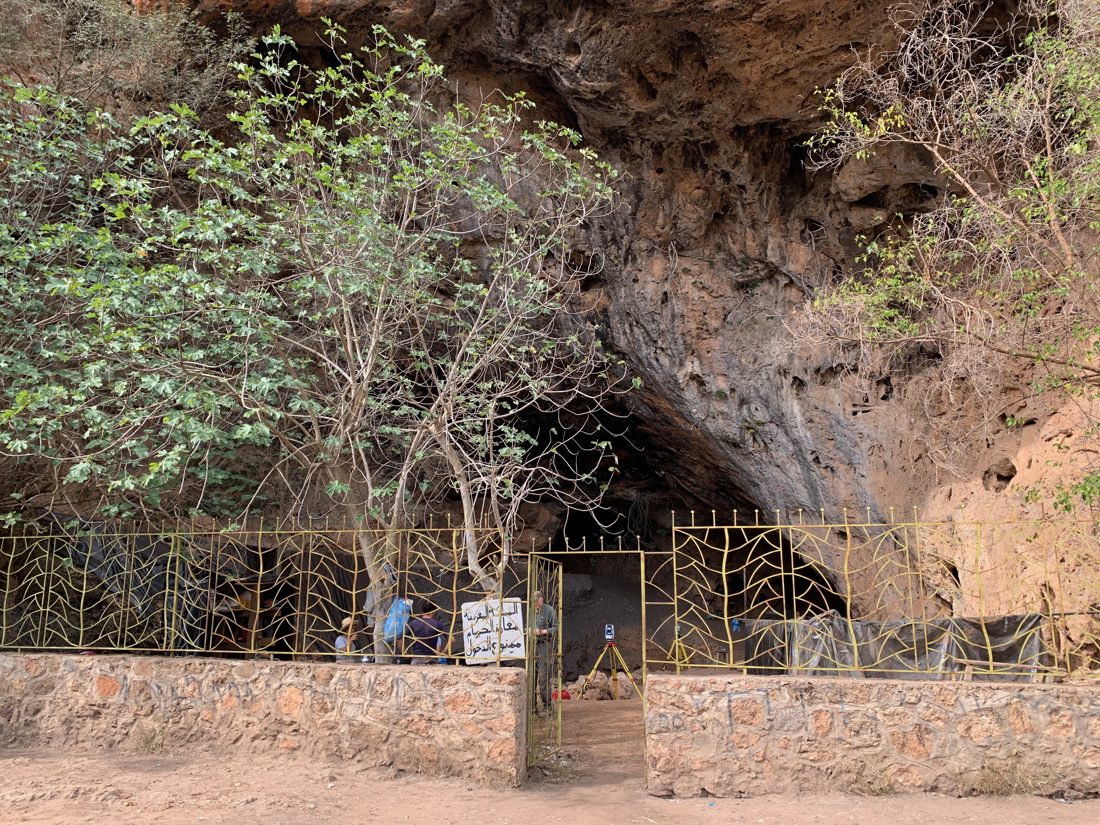
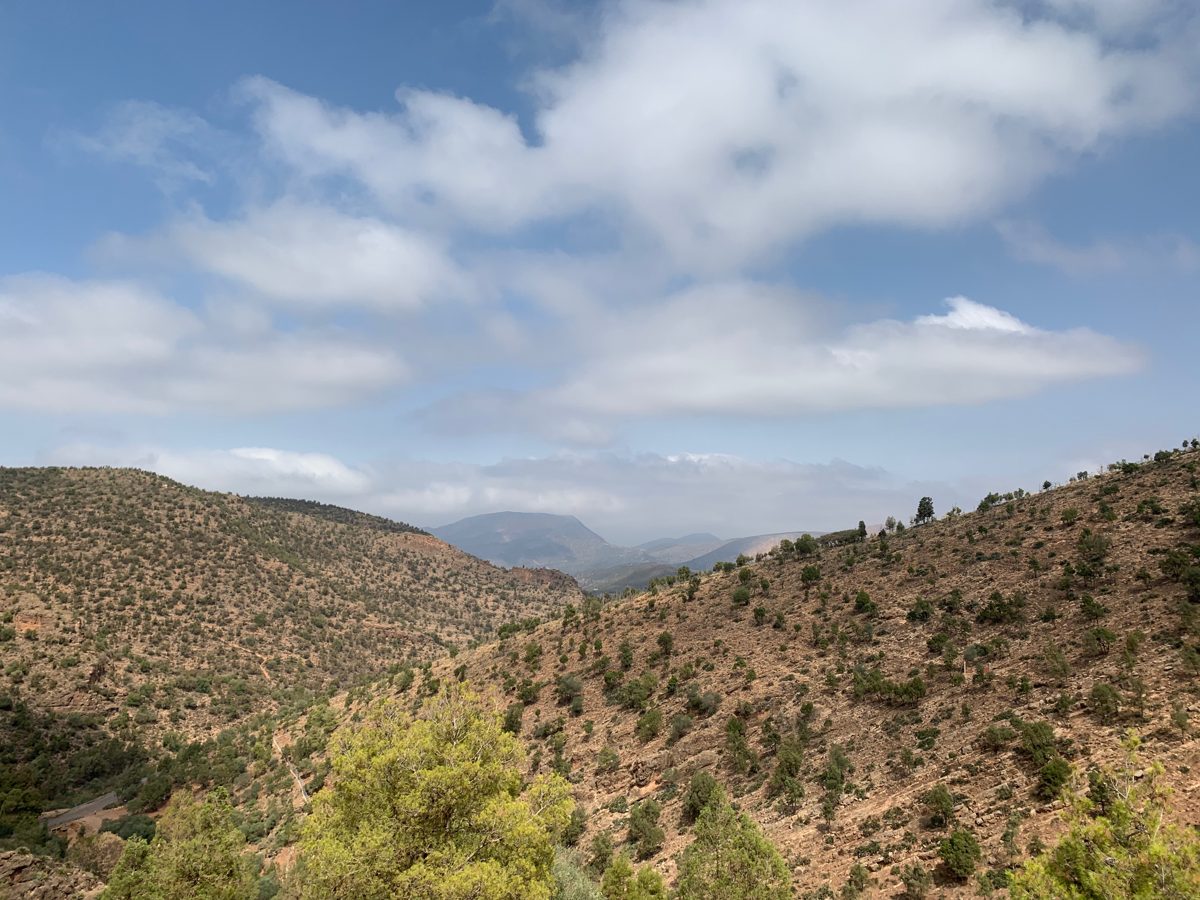
Taforalt Cave archaeological site in the Moroccan mountains

Taforalt Cave (Grotte des Pigeons), Morocco · 2023

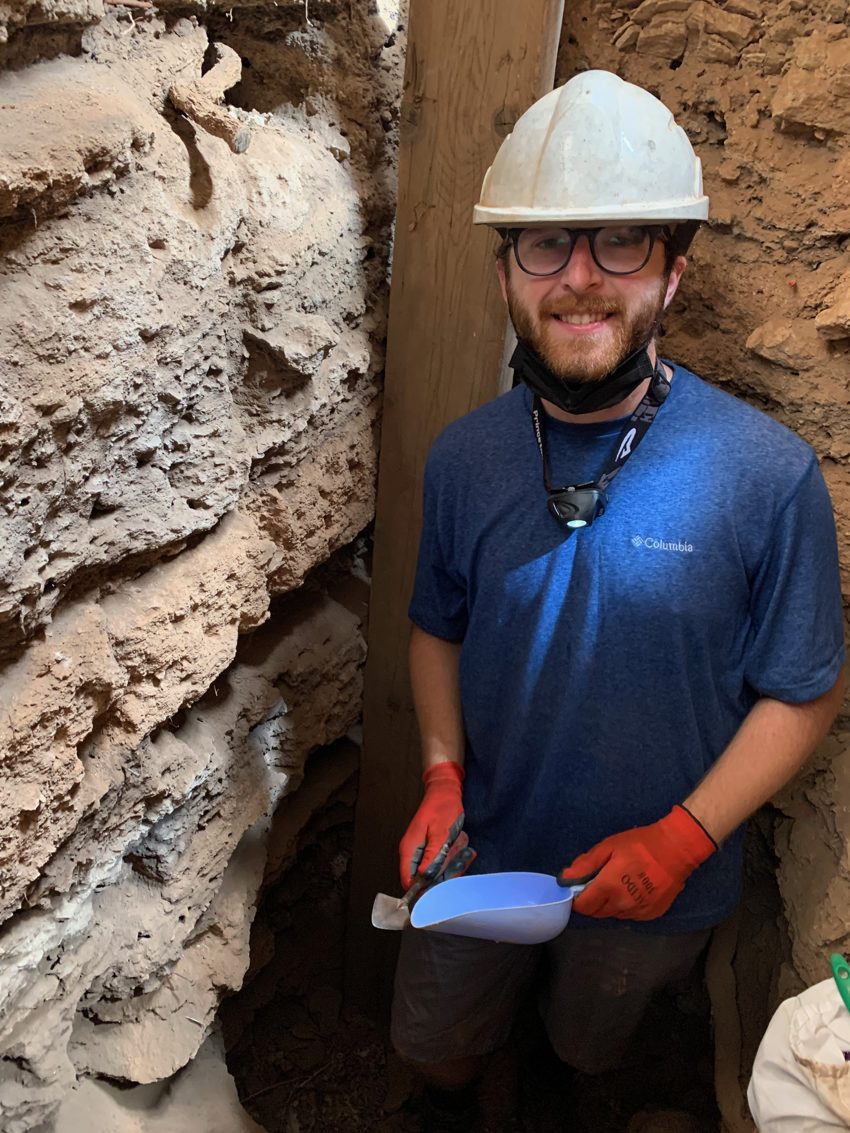
Assisted an archaeological excavation in the Middle Atlas Mountains — a cave periodically occupied by hunter-gatherer groups through the late Pleistocene and Holocene — collecting samples as the project's organic geochemist to link paleoclimate and paleofire reconstructions with the archaeological record.
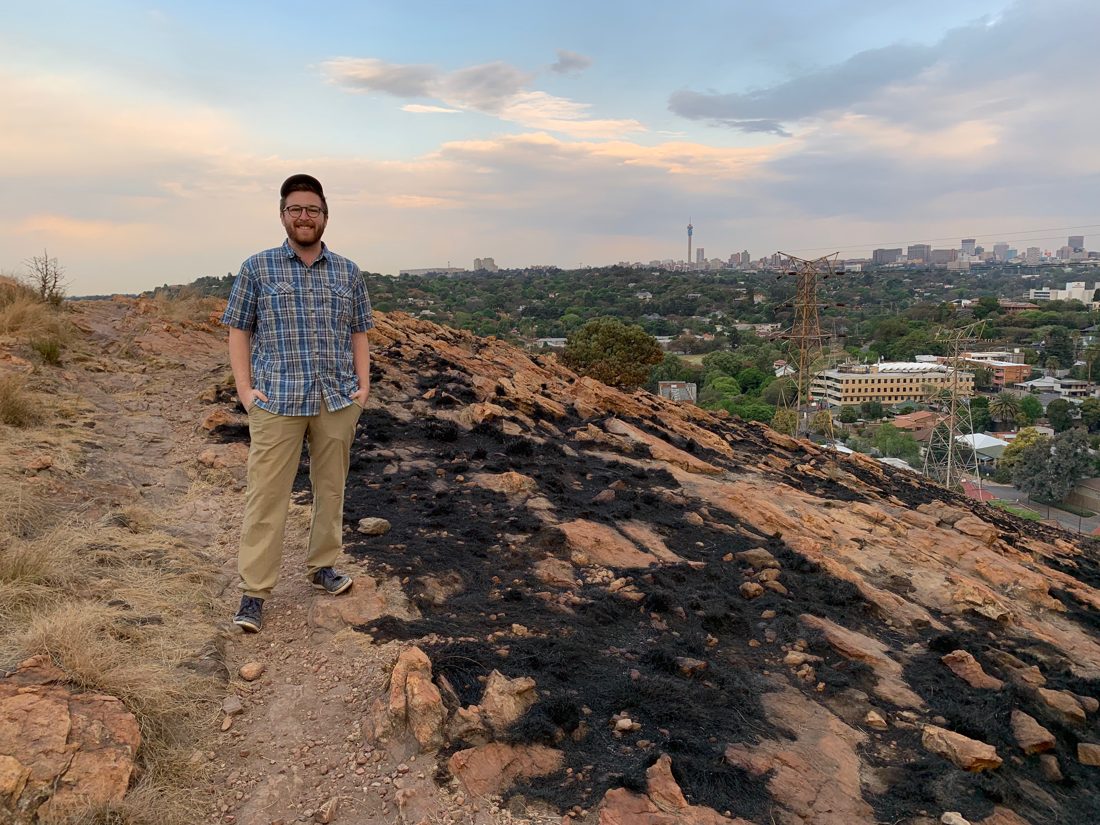
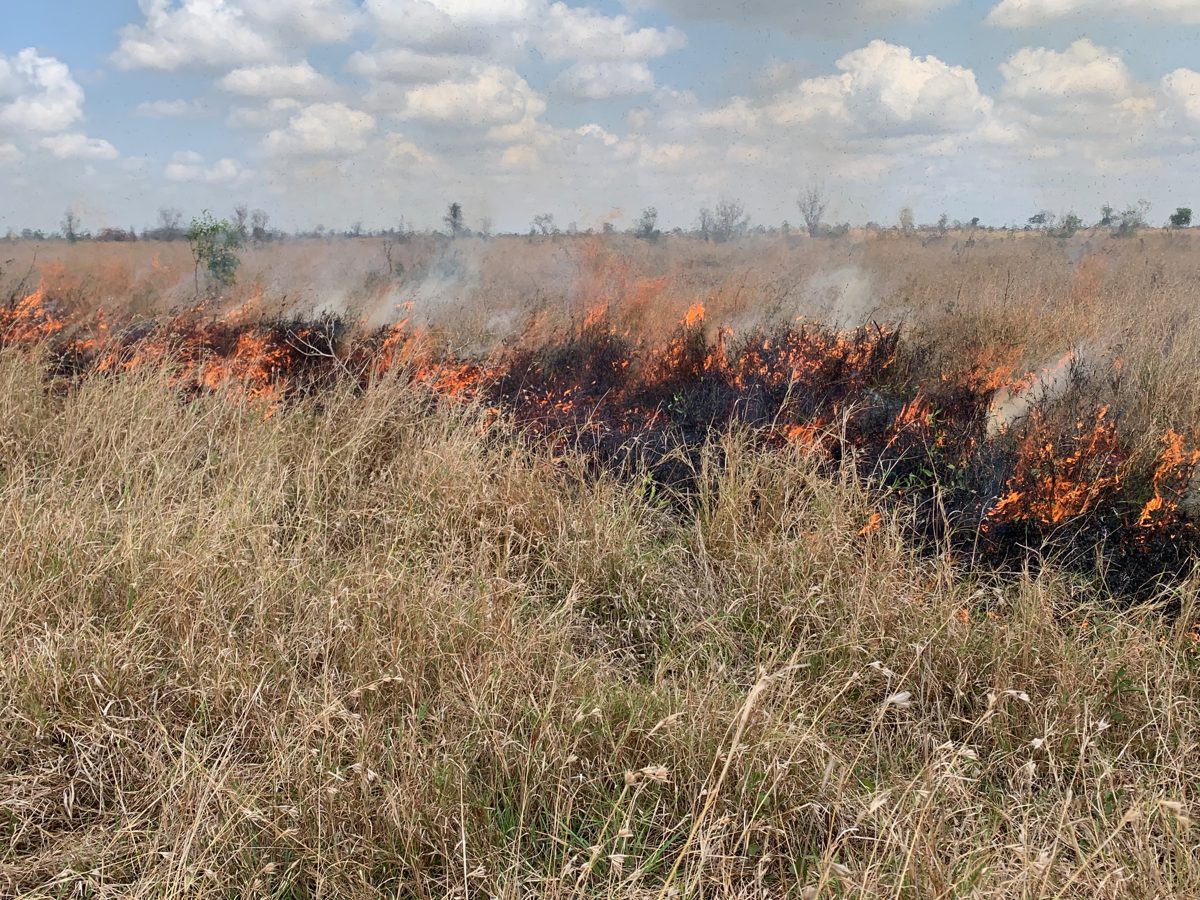
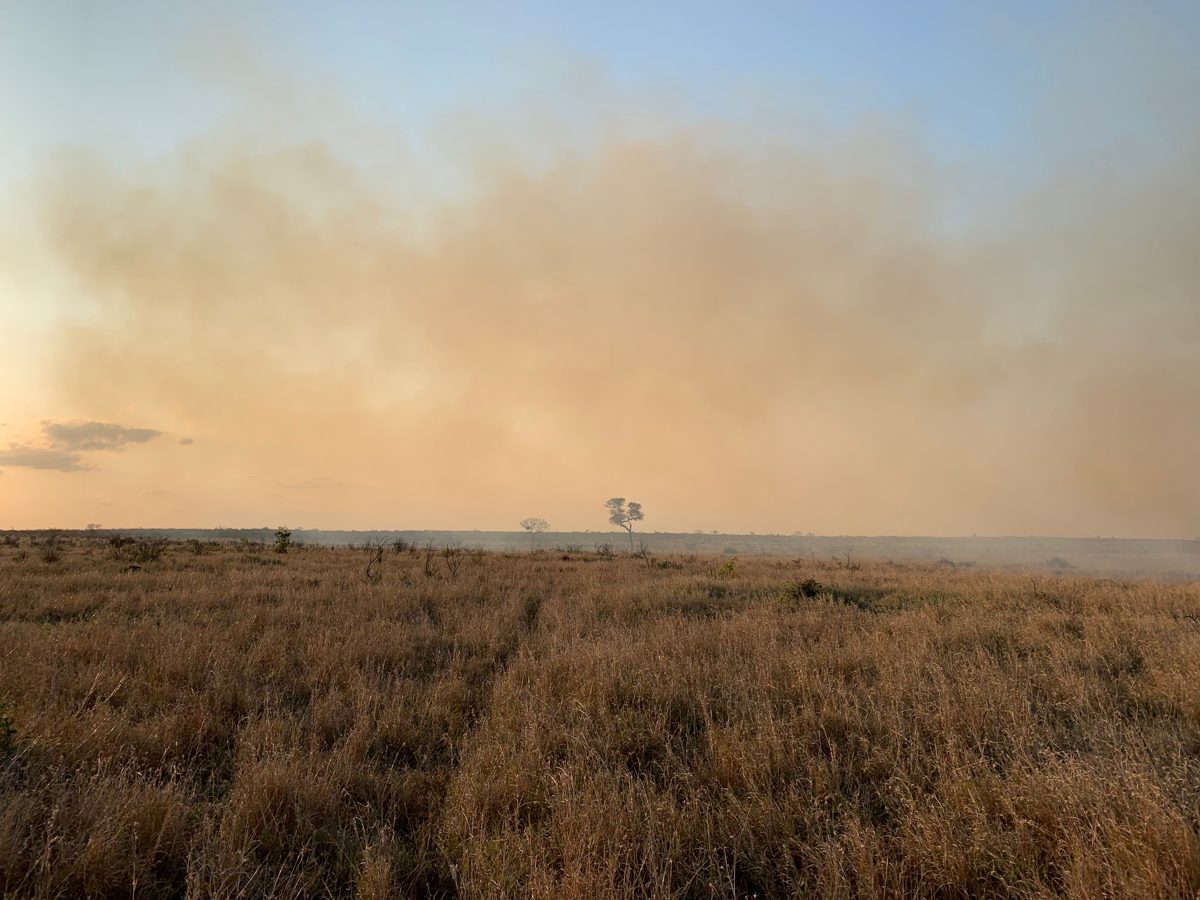
Surveying savanna terrain in South Africa

Kruger National Park, South Africa · 2022

Took part in a savanna burn experiment investigating how weather and fuel conditions control fire behavior, co-leading the charcoal-collection effort to study how burn conditions shape charcoal production and dispersal — ground-truthing the proxies behind my paleofire records.

Field gallery
Support

Selected research funding

See full CV

Data

Access Data

Data and supporting materials from my published work are openly available on figshare.

View my data on figshare →